
How to Send Your Kids to Camp: Part 2 — Volunteers
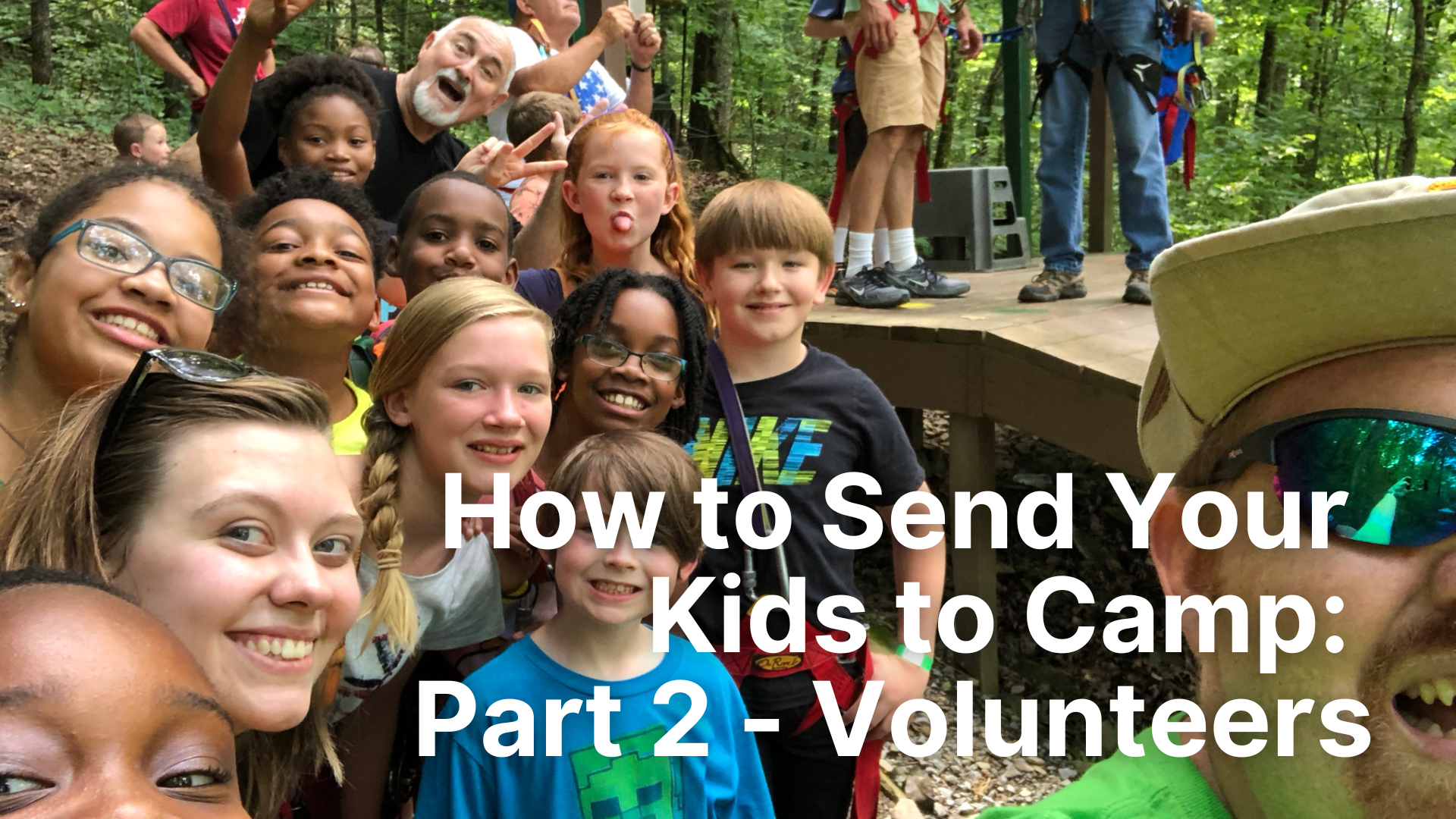
My first summer as a full-time kids' pastor, my pastor told me I needed to take my kids to camp. I'd never been as a leader and had only attended once as a kid. I had no idea what I was getting into.
I did manage to get 12 kids signed up, paid in full, and transportation arranged. Then on a rainy Sunday morning I climbed onto the bus, and one of the parents called out, "Wait, is no one going with him?"
I didn't think it was a problem. Upon arrival, I realized it very much was. I had to rely on leaders from other churches to make sure my girls got where they needed to be. I did my best to keep track of everyone, but trying to manage 12 kids at camp is harder than herding cats.
And then I did it again the next year.
After two years, I realized there had to be a better way, so I started recruiting volunteers. But finding people willing to come to camp is easier said than done. Over the years I identified three groups worth pursuing. It takes time, effort, and some money, but it's absolutely worth it.
If you missed Part 1 of this series, you can read it here. As I said there, you can't decide on Sunday to go to camp and show up Monday with a group of kids. Even when someone else is running the camp, there's a lot of preparation involved, including recruiting help. But before we get into the three groups, there's one important consideration that will make your recruiting significantly easier.
Cover Your Volunteers' Cost
Many potential volunteers have day jobs and would need to use PTO just to attend. That's a big ask. But the parents I've brought over the years have consistently said it was worth it, so don't be afraid to ask.
The single biggest thing you can do to get volunteers to say yes is to cover their registration fee. Yes, this raises the cost for kids or adds to your fundraising load. But you're asking another adult to take time off work and spend three to five days working for you. As I had to remind my fellow staff more than once, camp is not a vacation. Covering your volunteer's cost is the least you can do.
With that said, here are the three groups to look to when recruiting.
1. Teenagers
Camp is exhausting. You know who has the most energy and the fewest scheduling conflicts? Seventeen-year-olds.
The first teens I brought were responsible older sisters of kids already in my group. I initially thought I needed to ask a year in advance, but I've since learned three months out is usually enough.
Bringing a teenager carries some risk, but I think teens are vital to the health and energy of any kids' ministry. Be selective. Make sure the teens you choose are committed, mature, and already leading somewhere, whether that's in your kidmin or the youth group. Some parents will try to send their teenager along mainly for a week of free babysitting. If the kid isn't already a leader, I’d caution you bringing them. You could end up with someone disengaged and checked out, which doesn't help anyone.
The teens I brought were stars. They brought incredible energy to group games, helped shepherd kids through activities, and most importantly, were present at the altar when kids needed someone. I found myself mentoring them just as much as I was mentoring the kids.
One thing to check before you recruit: some camps have minimum age requirements for volunteers. Confirm the rules before you make any promises.
2. Parents of Young Kids
One camp I attended served kids from kindergarten through sixth grade, which meant children as young as four(!) could attend. I never brought kids that young, but I did bring some first and second graders.
During one of those first camps, a seven-year-old woke up in the middle of the night severely dehydrated. That was the moment I knew I needed more help. More specifically, I needed a mother. My hands off, you’ll figure it out leadership style that worked so well with fifth and sixth graders didn’t with the little ones.
So I made a rule: if you want to send a child in second grade or younger, a parent must come with them. A grandparent, aunt, or uncle was fine too. I just wanted someone who felt naturally and personally responsible for that child.
Even though they came primarily for their own kid, I had another capable adult with me. I always divide my group into smaller clusters led by volunteers. Which means that parent would have their child plus a few others. It lightened the load on me and made the whole trip safer for everyone.
If your camp allows early elementary kids to attend, I strongly encourage you to require a parent to come with them. Even if you have plenty of help, those kids need someone to literally hold their hand.
3. Other Parents
After a few years of bringing teens and parents of young kids, word started getting around about how fun camp was. By that point I had also launched small groups in my ministry, so I began inviting those small group leaders to join me. Many weren't parents of kids who were attending, but they were already a trusted adult voice in those children's lives. They had existing relationships, and camp gave them the chance to go deeper.
Kids share things at camp they would never say on a Sunday morning. There's something about being away from home, out in the woods, that opens them up. That's a gift for any ministry leader, and having trusted adults nearby to receive those moments matters.
Getting parents to take a full week off work can be a hard sell, so don't overlook grandparents. Many are retired and have far more flexibility. They are endlessly creative during downtime, patient with homesick kids, and bring a depth of spiritual wisdom to altar moments that is hard to replicate.
Whoever you bring, make sure they are thoroughly vetted and background checked. You are taking children to an overnight camp, and you don't want to introduce risk into that environment. Most of my camp volunteers already serve in my ministry, which means I know their character, their spiritual maturity, and their capacity. Never bring an unknown adult to camp. I would rather you go alone than take that chance. It is simply not worth the risk.
Recruiting volunteers for camp is not optional. It's essential. Don't wait until the last minute. Approach it with prayer, humility, and wisdom. You're not just filling roles. You're bringing ministry partners. Choose the right ones, and your camp experience will be better for everyone.









t was Saturday night around 8pm. We’d just finished dinner and were watching TV. Suddenly, I felt a rumbly in the tumbly and got to see dinner all over again.
I didn’t know if I had a bug, it was a fluke, or I was just stressed out. It didn’t really matter in the moment because one thing was for sure: I couldn’t do kids church the next morning.