
3 Ways to Intentionally Care for Your Volunteers

One of the most valuable assets you have in ministry is your volunteers. They can make or break what you're building. Getting a new volunteer, especially a high-quality one, can be a breath of fresh air. But even the most dedicated people can burn out and walk away.
As the leader, it's your job to care for them. Not just because you want to keep them around, but because they're people, and we're in the people business.
So how do you care for volunteers intentionally? How do you treat them as people rather than a number on a spreadsheet or a hole to fill?
It takes time, focus, and intentionality. But if you want to sustainably serve in ministry, a great volunteer team makes all the difference.
1. Give Purpose
One of the most important things to Christians is finding and living out their purpose. As a ministry leader, your job is to help them discover that purpose and give them a place to live it out.
You can build this into your onboarding process. I love giving new volunteers a personality test and a spiritual gift assessment as part of their assimilation. It creates shared language and helps you both find the best fit.
You don't want to put an extrovert wired for hospitality in the sound booth. And you don't want a shy, soft-spoken volunteer running check-in. Getting to know who they are and where their passions lie is the first step.
Even with those systems in place, some volunteers still won't know where they fit best. When that happens, let them experience as many different aspects of your ministry as possible. It's easier to plug someone into a vacant spot, but if you want them serving with you for the long haul, their role needs to fit their gifts, talents, and passions.
Let them observe and participate in different areas. Watch their body language. Where they light up is usually where they'll thrive.
You may also have a volunteer who started in one role but would be better somewhere else. As a leader, part of your job is helping them grow into who God made them to be. That might mean challenging them to do something bigger or harder than they thought they could handle.
In my years of kidmin, I rarely had volunteers volunteer to present or lead a small group. They were scared or felt inadequate. But I challenged them anyway. Many blossomed. Some didn't. But they were all glad they tried.
Growth usually requires doing things you've never done before. You get to provide those opportunities and watch your volunteers flourish.
2. Remember Them
It sounds obvious, but it's so obvious it's easy to miss. Your volunteers are people, and there's a lot more going on in their lives than the hour they spend with you on Sunday.
As a task-oriented person, I have to be intentional about this. It's not that I don't care, I just have things to do. That's why I created a system for celebrating birthdays.
When a volunteer shares a struggle or prayer request, don't let it be a one-time conversation. Follow up. Tell them you're praying for them. Show up at the hospital. Check in the next week. If you have trouble remembering, write it down.
My mentor Jim Wideman always told me, "My brain is for thinkin', not rememberin'." Don't try to hold all of this in your head. Write it down and review it before you see them again.
And remembering isn't just about the hard stuff. Ask about the vacation they just got back from. Tell them they were missed. Tell them you're glad they're back.
Social media helps here too. Follow your volunteers on their socials and when you see something, mention it. The algorithm rarely shows us people we actually follow anymore, so when you bring it up, it shows you're paying attention.
Many employees leave jobs because they feel like no one cares. Volunteers are no different. Remembering what's going on in their lives and asking about it is one of the most powerful things you can do.
3. Provide Clarity
I learned this through COVID. Every day brought a new crisis. Months went by without anyone knowing what was going to happen or if things would ever get back to normal. What I realized I needed most from my leaders was clarity. Your volunteers need the same from you.
We often avoid talking about the future because we don't have it figured out yet. But providing clarity doesn't mean having all the answers. You can share what you're thinking and the options you're weighing. Your volunteers may even have input that helps you decide.
Sometimes you don't know the next steps at all. In those moments, realign everyone around your mission, vision, and values. You may not know exactly what comes next, but you know you're going to keep telling people about Jesus. That rally point gives your team something to hold onto when everything else feels uncertain.
You don't have to be the smartest person in the room. John Maxwell says that often. Your job as the leader is to get your team to accomplish the mission, using their gifts, experiences, and perspectives to get there. Clarity is what makes that possible.
Caring for your volunteers isn't complicated. It just takes intentionality. Write the thank-you note. Send the birthday card. Show up at the hospital. Fire off that text. Every action is another deposit in your relational account. Do that consistently, and your volunteers will stick with you for a long time.
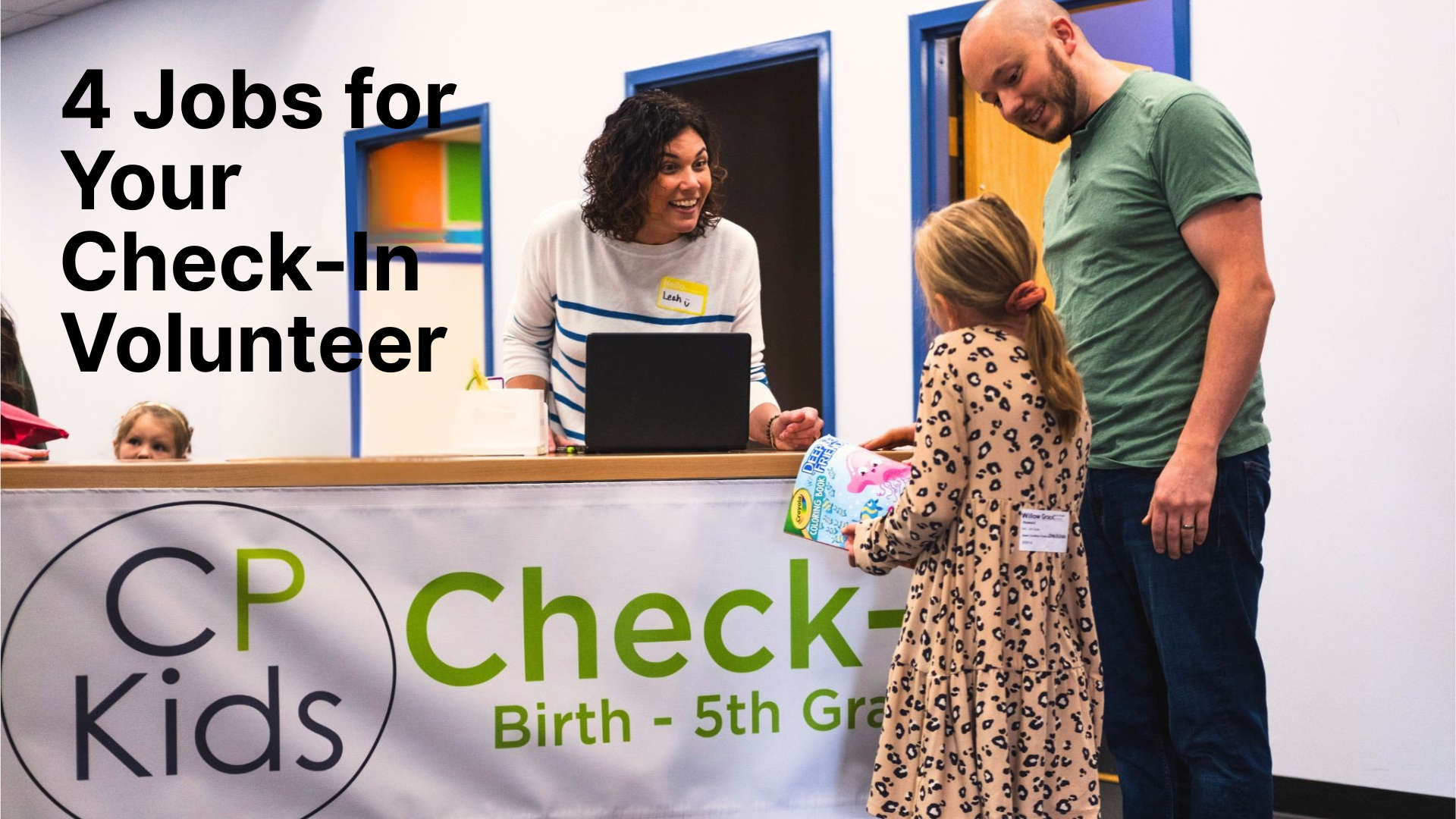










One of your most valuable resources in your ministry is your volunteers. Especially in kidmin. You can’t be in two places at once, so you need other people to get the job done. And once you find those people you want to keep them in place.